
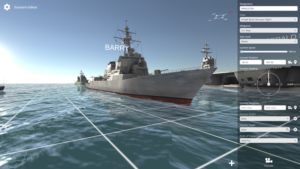
SQQ-89 Gamification Capability
For the U.S. Navy surface fleet, the AN/SQQ-89A(V)15 anti-submarine warfare system is an essential defensive capability. There is concern, however,
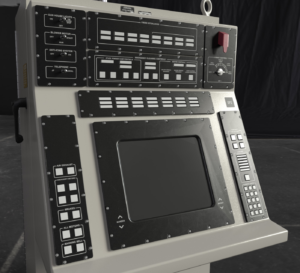
Next Generation of Maintenance Trainer – ONR SBIR
Funded under the Small Business Innovation Research (SBIR) program, this Office of Naval Research (ONR) project is developing an immersive

MISSING – Serious Games to Overcome Cognitive Bias
Cognitive bias, the near-universal mental shortcuts that can result in deeply flawed decision-making in intelligence analysis and business, is the
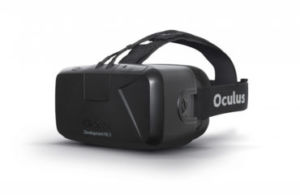
Next Generation U.S. Air Force Prototype Training Aid
In just ten weeks, CTI developed and delivered a prototype U.S. Air Force part-task trainer for The Boeing Company. CTI’s
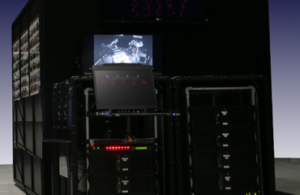
Call for Fire Trainer Augmented Virtuality (CFFT-AV)
Affectionately known as the cube, CTI’s Call for Fire Trainer Augmented Virtuality (CFFT-AV), is a mixed reality implementation that puts
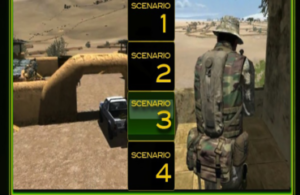
Collateral Damage Mobile (CDM)
Developed for the Fires Center of Excellence (FCoE) Fire Artillery (FA) school, Collateral Damage Mobile (CDM) is a port of
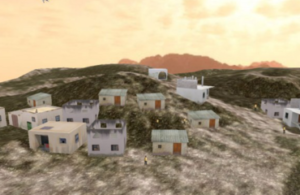
Joint Mobile Virtual Dome (JMVD)
The Joint Mobile Virtual Dome (JMVD) is a low-cost collaborative visualization tool leveraging commercial off-the-shelf (COTS) technology including the iPad
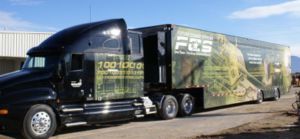
Future Combat Systems Mobile Demonstration Trailer
The Future Combat Systems (FCS) Mobile Demonstration Trailer (MDT) is an interactive, individual combat platform simulator of FCS mounted combat.
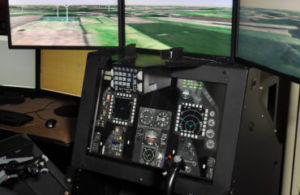
Future Combat Systems Manned Ground Vehicle Demonstrator
An interactive individual manned ground vehicle (MGV) combat platform simulator for Future Combat Systems. The Future Combat Systems (FCS) Manned

Full Spectrum Leader (Institute for Creative Technologies)
A PC based tactical training application for platoon leaders. Developed under a Technology Sharing Agreement with the Government of Singapore
One-SAF Graphical User Interface (One-SAF GUI-Institute for Creative Technologies)
The One-SAF Graphical User’s Interface project developed an intuitive user interface to the US Army’s premier simulation driver. This project
Every Soldier A Sensor Simulation (ES3-Institute for Creative Technologies)
Web-delivered training for dismounted soldiers in Active Surveillance and Threat Indicator Identification. Developed to support the Army G2’s Every Soldier
Bilateral Engagement Trainer (BI-LAT-Institute for Creative Technologies)
A desktop application to train the principles of military to civilian bi-lateral engagement. Developed for Fort Leavenworth’s School for Command
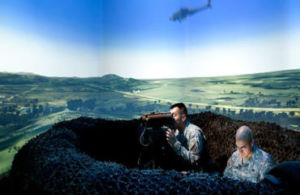
Joint Fires & Effects Trainer System (JFETS-Institute for Creative Technogolies)
JFETS is the United States Army’s premier call-for-fire close air support prototype trainer. The Joint Fires and Effects Trainer System
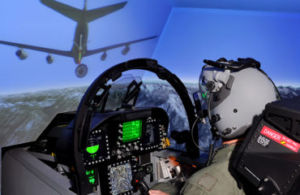
NEUMET-CO
CTI supported teammate Utopia Compression on a Phase II Small Business Innovation Research project for the Office of Naval Research.
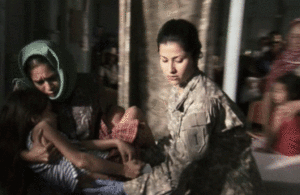
Safehouse
The US Army’s Future Combat Systems in counter-insurgency contingency operations. This film is the first in a four-part CTI series
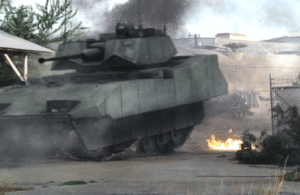
Vanguards
A US Army Future Combat Systems Brigade Combat Team conducts operational maneuver over strategic distances. This film is the second

Transformational Satcom (TSAT)
Transformational SATCOM (TSAT) provides hardened global networked communications from the Joint Warfighter to US Strategic Command and the National Command

Nowhere To Hide (Institute for Creative Technologies)
DARPA’s preview of future technologies and innovations supporting the Future Combat Systems program Nowhere to Hide was created for the
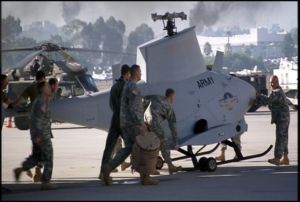
Aftershock
A US Army Future Combat Systems Brigade Combat Team supports civilian authorities in disaster relief. Aftershock shows how the Army’s
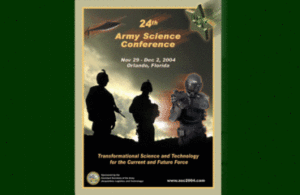
24th Army Science Conference (Institute for Creative Technologies)
The human dimension behind Army science and technology research and development. This video was used to open the 24th Army

eCYBERMISSION (Institute for Creative Technologies)
A video made to inspire kids to participate in the eCybermission on-line science competition. eCybermission is an Army sponsored science
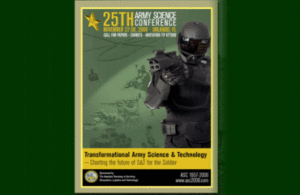
25th Army Science Conference (Institute for Creative Technologies)
Inspired Army science supports the American Soldier. This video was used as the curtain raiser at the 25th Army Science
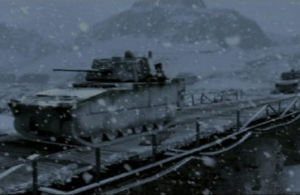
Objective Tiger
A US Army Future Combat Systems Brigade Combat Team conducts a deep attack. Objective Tiger tells the story of a
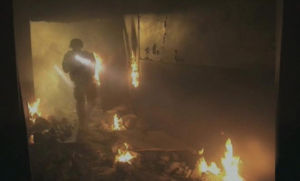
Assault On Normandy
A US Army’s Future Combat Systems Brigade Combat Team conducts in urban combat operations. Assault on Normandy shows Future Combat
Ready To Go
The power of the US Army’s Future Combat Systems embedded, predictive, demand-pull logistics. This film is the fourth in a
Warning Order
The US Army’s Future Combat Systems embedded training and mission rehearsal systems seamlessly ready soldiers throughout all phases of combat
Future Combat Systems (FCS) Compilation
A compilation of the highlights from the FCS program videos The FCS Compilation video is a collection of highlights from
Experiment 1.1: A Soldier’s Perspective
Soldiers and engineers talk about the first Soldier employment of Future Combat Systems technologies and the testing and evaluation that
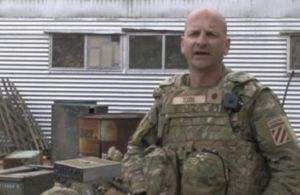
Future Combat Systems Marquee Video
Combat veterans tell how FCS could have made the difference in the face of the enemy. This CTI video production
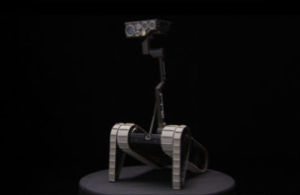
The Mission
Who is the best choice…? Related to the Small Unmanned Ground Vehicle platforms in the Army’s Future Combat Systems program,

The Science of Victory
The critical role of basic research in national security. Developed by the Office of the Deputy Assistant Secretary of the
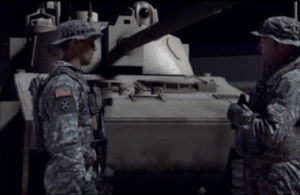
The Lead Element
Tough choices surround the decision about whether to lead the attack with the Army’s Current Force or Future Combat Systems
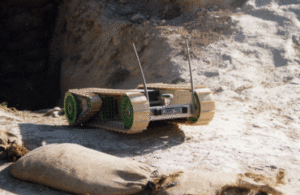
Rapid Integration Of Robotic Systems (RIRS)
The pilot project that led to the formation of the US Army’s Rapid Equipping Force. In the summer of 2002,
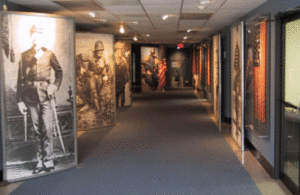
FCS Capstone Demonstration Presentation
Design, organization and execution of the Future Combat Systems milestone B decision presentation to the Army and DoD leadership. The
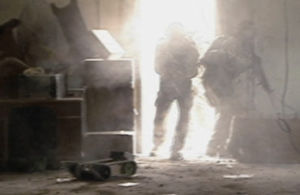
EXPERIMENT 1.1 PHASE IIIB SOLDIER EXCERCISE
A combat scenario demonstration of the first soldier employment of Future Combat System’s (FCS) technologies. Experiment 1.1 Phase IIIB was
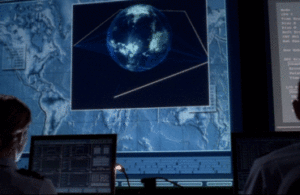
Transformational Satcom (TSAT)
Support to Boeing’s presentation during the Transformational Satellite (TSAT) Space Segment Design Review (SSDR) competition. CTI’s overall presentation concept centered